Subtotal
$0.00
The Benefits of Energy-Efficient Scandinavian Homes
In today’s world, where household costs are rising, the focus on sustainability and energy efficiency has become inevitable. According to EnergyStar.gov, the average U.S. household spends around $2,000 annually on utility bills, which include powering electronics, heating and cooling spaces, warming water, and keeping the lights on.
Homeowners and builders are increasingly seeking ways to reduce energy consumption, minimize environmental impact, and create healthier living spaces. One architectural style that embodies these values is the Scandinavian home. Known for its minimalist design, functionality, and connection with nature, Scandinavian homes are becoming more popular, especially those designed with energy efficiency in mind. In this article, we delve into the benefits of an energy-efficient Scandinavian home and explore why it might be the perfect choice for your next building project.
KEY TAKEAWAYS
- Energy-efficient Scandinavian homes combine minimalist design, superior insulation, natural light, and efficient heating systems to reduce energy use and improve everyday comfort.
- These homes are especially well suited for homeowners who want a modern, sustainable house that feels bright, calm, functional, and connected to nature.
- The main long-term benefits include lower utility costs, healthier living spaces, renewable energy potential, stronger comfort, and better preparation for future building standards.
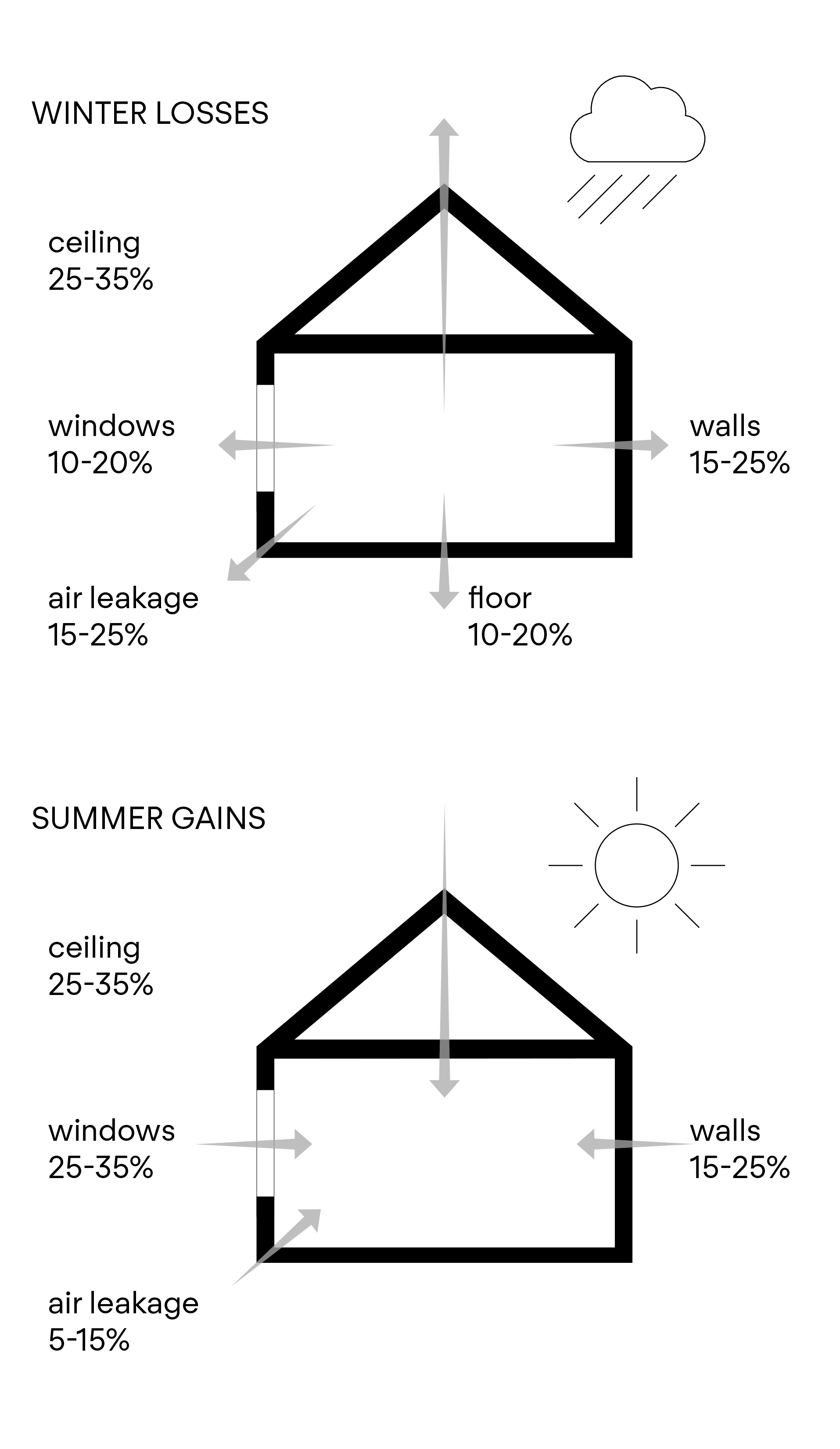
Source: Energy Smart Housing Manual (2018)
SUPERIOR INSULATION AND ENERGY SAVINGS
One of the most significant benefits of energy-efficient Scandinavian homes is their superior insulation. Estimations are made that good insulation and air sealing can save an average of 15% on heating and cooling costs (or an average of 11% on total energy costs). These homes are built to withstand the harsh climates of Northern Europe, which means they are designed to keep heat in during the winter and out during the summer. High-quality insulation materials such as super-insulated wall systems, triple-glazed windows, and airtight construction techniques are standard. This results in lower energy consumption for heating and cooling, leading to substantial savings on utility bills.
SUSTAINABLE BUILDING MATERIALS
Scandinavian homes prioritize the use of sustainable building materials. This includes locally sourced wood, a renewable resource, and materials that have a low environmental impact. Construction practices also emphasize reducing waste and recycling materials wherever possible. By choosing a Scandinavian home, you are not only investing in energy efficiency but also supporting sustainable building practices.
NATURAL LIGHT AND HEALTH BENEFITS
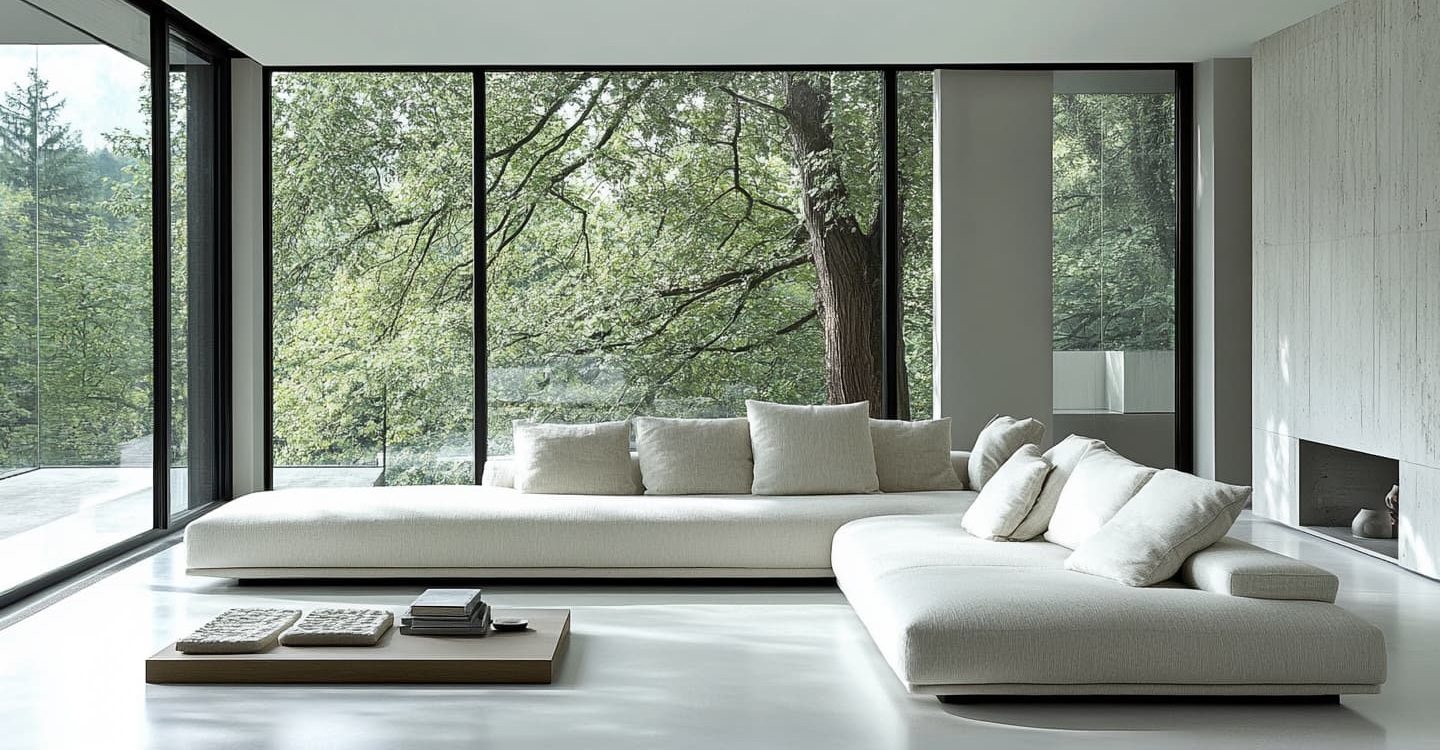
The design of Scandinavian homes maximizes the use of natural light. Large windows and open floor plans allow sunlight to penetrate deep into the home, reducing the need for artificial lighting during the day. This not only lowers energy consumption but also has significant health benefits. Natural light is known to improve mood, increase productivity, and promote better sleep. By living in a well-lit environment, you can enjoy a healthier and more vibrant lifestyle.
CONNECTION WITH NATURE
A key element of Scandinavian design is its connection with nature. This is achieved through the use of natural materials, large windows, and open spaces that blur the line between indoors and outdoors. Living in a home that integrates nature into its design can have profound psychological benefits. It fosters a sense of peace and tranquility, reduces stress, and enhances overall well-being. Moreover, it encourages a lifestyle that respects and appreciates the environment.
INNOVATIVE HEATING SOLUTIONS
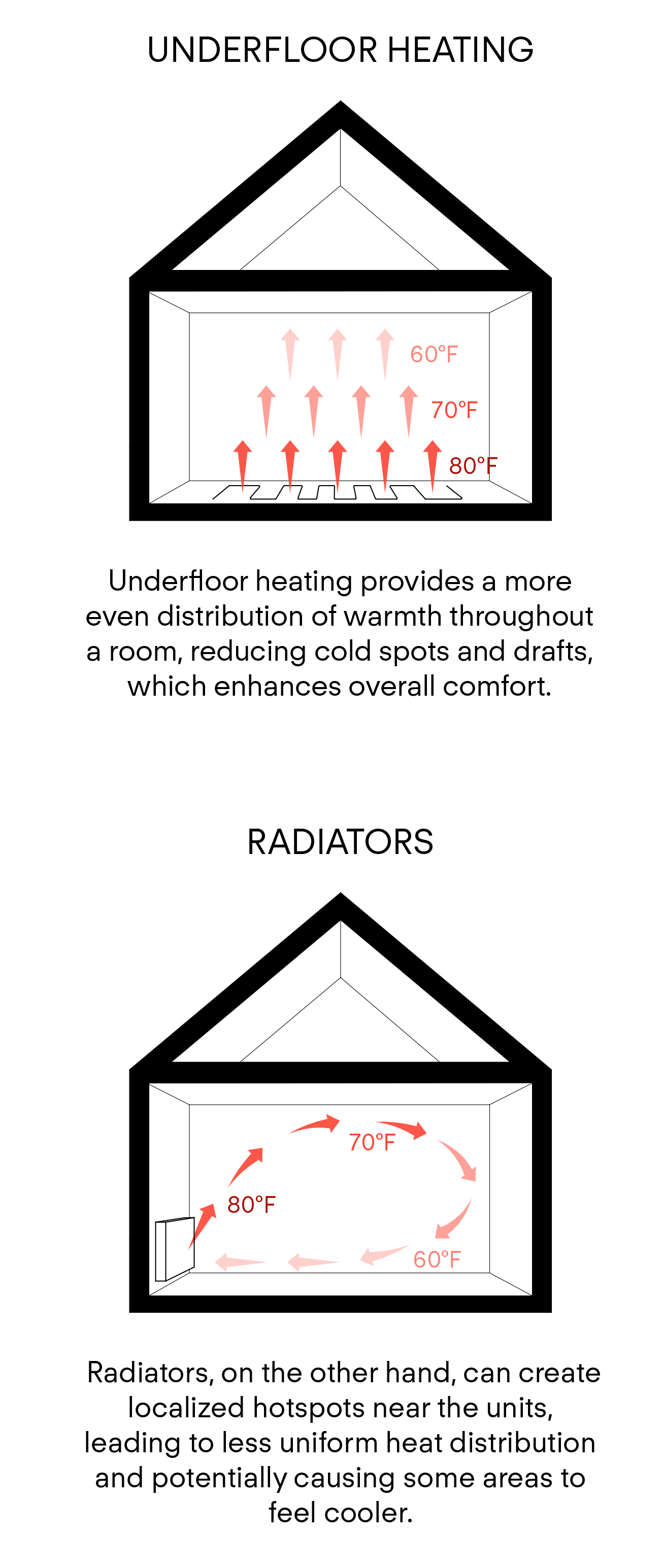
Scandinavian homes often incorporate innovative heating solutions such as heat pumps and underfloor heating. These systems are highly efficient and can significantly reduce energy consumption compared to traditional heating methods. Heat pumps, for example, use the ambient air or ground temperature to heat the home, which is much more efficient than generating heat through combustion. Underfloor heating provides even heat distribution, ensuring a comfortable living environment with lower energy use.
RENEWABLE ENERGY INTEGRATION
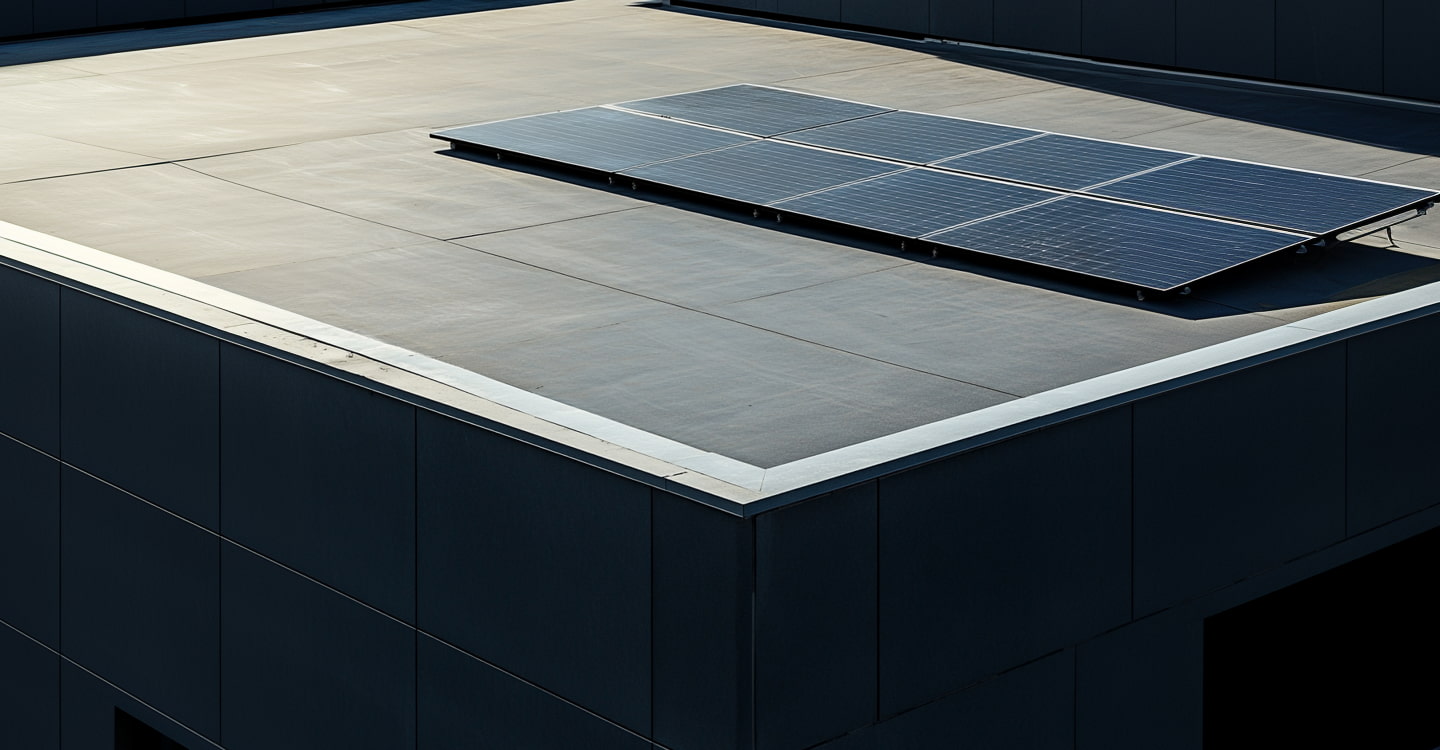
To further enhance energy efficiency, many Scandinavian homes are designed to integrate renewable energy sources such as solar panels. These homes can generate their own electricity, reducing reliance on fossil fuels and lowering carbon emissions. Incorporating renewable energy systems can also lead to financial benefits, such as tax incentives and rebates, making it a wise investment for the future
“Buyers are increasingly aware of the long-term cost savings and environmental benefits of energy-efficient homes, making them more attractive in the real estate market.”
HIGH RESALE VALUE
Energy-efficient homes generally have a higher resale value compared to traditional homes. Buyers are increasingly aware of the long-term cost savings and environmental benefits of energy-efficient homes, making them more attractive in the real estate market. Investing in an energy-efficient Scandinavian home not only provides immediate benefits but also ensures a sound investment for the future.
COMPLIANCE WITH FUTURE BUILDING STANDARDS
Building codes and standards are becoming more demanding regarding energy efficiency. By choosing an energy-efficient Scandinavian home, you are future-proofing your investment. These homes are designed to meet or exceed current and anticipated building standards, ensuring compliance and avoiding costly retrofits in the future.
ENHANCED COMFORT AND LIVING EXPERIENCE
Finally, the enhanced comfort and living experience offered by energy-efficient Scandinavian homes cannot be overstated. The combination of superior insulation, natural light, innovative heating solutions, and a connection with nature creates a living environment that is both comfortable and sustainable. Whether you are building a new home or renovating an existing one, embracing the principles of Scandinavian design can transform your living space into a modern, efficient, and peaceful retreat.
One of the most reliable ways to determine how energy-efficient a home is, is by checking its Home Energy Rating System (HERS) Index. This is a nationally recognized system for inspecting and calculating a home’s energy performance. Developed by the Residential Energy Services Network (RESNET), the HERS Index provides a numerical score that indicates the energy efficiency of a home. All house plans available at NordicHomePlans include HERS certification, ensuring they meet the highest standards of energy efficiency.
If you are interested in exploring the possibilities of energy-efficient Scandinavian homes, we invite you to visit our Plans page. Here, you will find home designs that embody the principles discussed in this article.
In conclusion, energy-efficient Scandinavian homes offer numerous benefits, from significant energy savings and sustainable building practices to enhanced comfort and higher resale value. By choosing this architectural style, you are investing in a home that is not only beautiful and functional but also aligned with the values of sustainability and environmental responsibility.
FREQUENTLY ASKED QUESTIONS
Are Scandinavian homes also suitable for warm or tropical climates?
Yes. While Scandinavian homes originated in cold climates, their core principles like superior insulation, airtight construction, controlled ventilation, and passive solar design work equally well in warm and tropical regions. In hot climates, the same thermal envelope that keeps heat in during winter keeps heat out during summer, dramatically reducing air-conditioning loads. Nordic Home Plans adapts each design to local conditions by adjusting roof overhangs, window orientation, shading elements, and ventilation strategies to suit climates ranging from sub-arctic to tropical.
How much more does it cost to build an energy-efficient Scandinavian home?
Energy-efficient Scandinavian homes typically carry a 5–10% construction premium over conventional builds, depending on local material costs and labor rates. This upfront investment is generally recovered within 7–12 years through reduced utility bills, with ongoing savings continuing throughout the home’s 80–100+ year lifespan. Additional financial benefits often include higher resale value, lower insurance premiums in some regions, and eligibility for green-building tax credits or rebates.
Do Scandinavian home designs comply with international building codes?
Yes. Nordic Home Plans are engineered to meet or exceed major international building codes, including the International Residential Code (IRC) in North America, the National Building Code of Canada (NBC), Eurocodes across the European Union, and the NBR standards in Brazil. Each design is reviewed and adapted in partnership with locally licensed architects and engineers to ensure full compliance with regional structural, energy, seismic, and fire-safety requirements.
What types of windows are used in Scandinavian energy-efficient homes?
Scandinavian homes typically use triple-glazed windows with U-factors between 0.13 and 0.20, which is roughly two to three times more efficient than standard double-glazed windows. These windows feature low-emissivity (low-E) coatings, argon or krypton gas fills between panes, and insulated frames made of wood, fiberglass, or composite materials. The result is minimal heat loss in winter, reduced solar heat gain in summer, and dramatically improved acoustic insulation.
How long do Scandinavian energy-efficient homes last?
When properly built and maintained, Scandinavian energy-efficient homes have an expected lifespan of 80 to 100+ years, significantly longer than the typical 50–60 year lifespan of conventional construction. This longevity comes from high-quality materials, robust thermal envelopes that prevent moisture damage, durable mechanical systems, and design principles that prioritize maintenance access and adaptability. The result is a home that not only performs better year over year but also retains its structural integrity and value across multiple generations.